
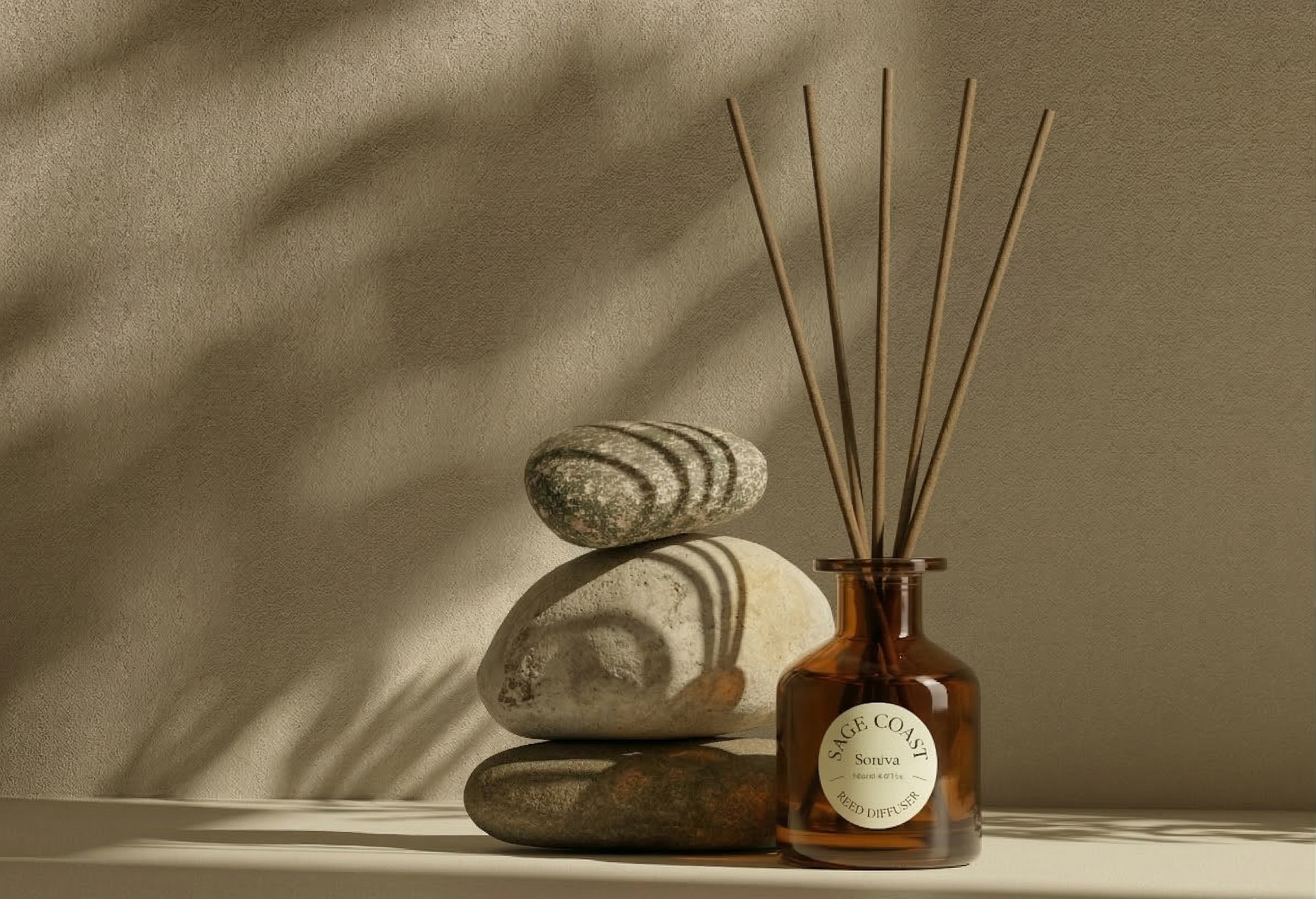
Aromatherapy is widely used as a natural way to support relaxation and emotional balance. But not all scents work in the same way.
Some help quiet the mind.
Some help release tension.
Others gently lift mood and energy.
Understanding how different scents influence stress and anxiety can help you create an environment that feels calmer, steadier, and more supportive of well-being.
This guide explores the most effective aromatherapy scents—based on both traditional use and emerging scientific research.
How Aromatherapy Helps with Anxiety and Stress
Anxiety and stress are closely connected to how the nervous system responds to daily life. When the body stays in a heightened state, it becomes harder to relax, focus, or feel emotionally balanced. Aromatherapy works by influencing the sensory environment.
When scent molecules are inhaled, they interact with the olfactory system and send signals to the brain regions involved in emotion and stress regulation. A growing body of research—including studies published in Frontiers in Psychology—suggests that certain aromas may:
- reduce perceived stress
- support relaxation
- influence mood and emotional balance
While aromatherapy is not a medical treatment, it is widely used as a complementary approach to creating calm, supportive environments.
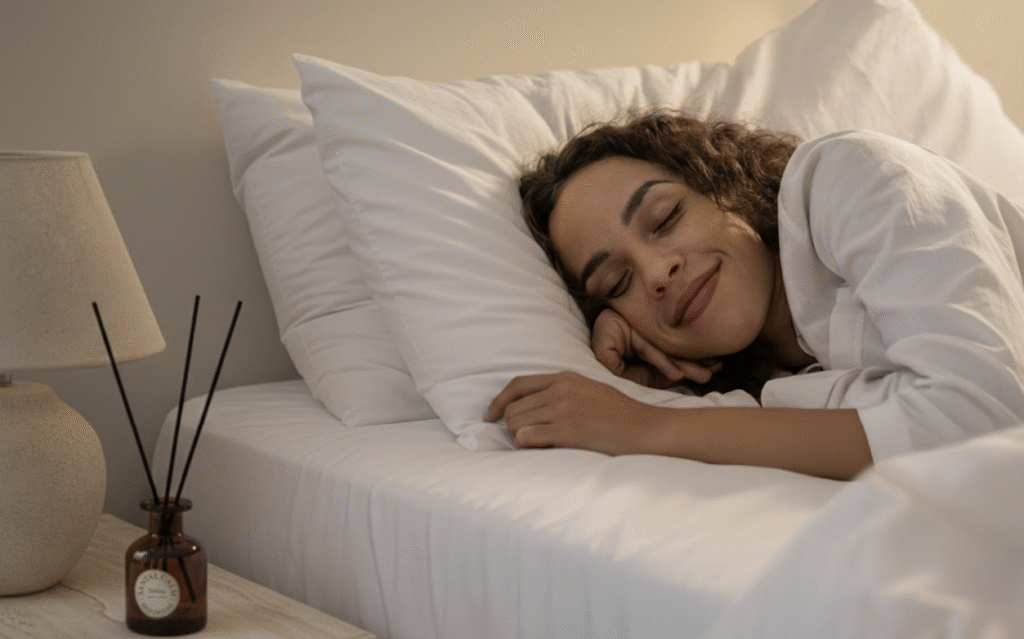
Best Aromatherapy Scents for Anxiety and Stress
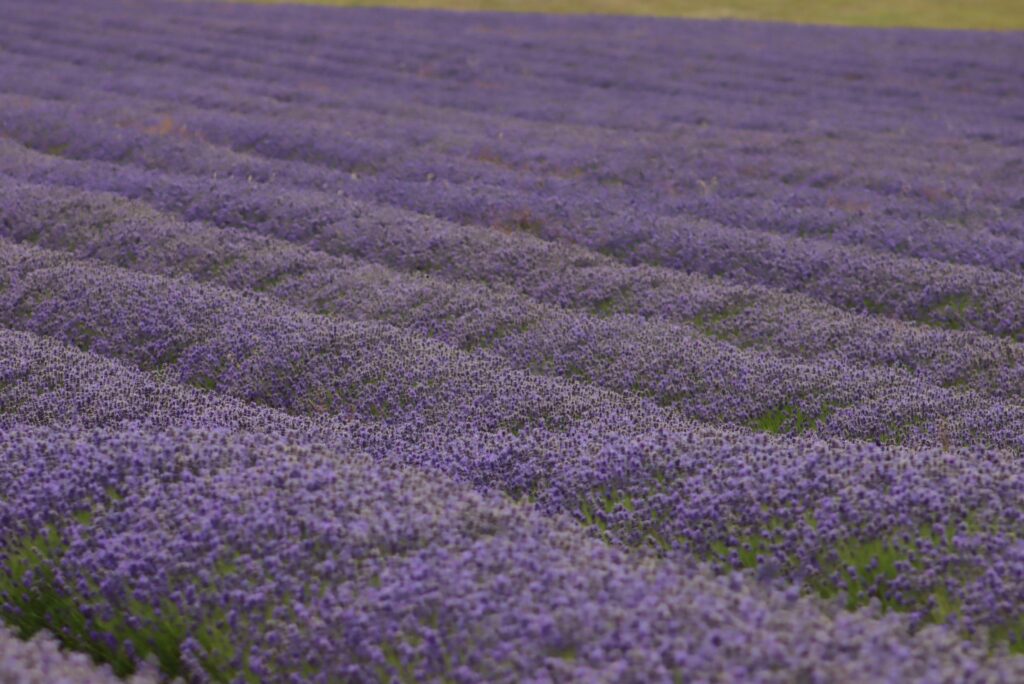
1. Lavender — Deep Relaxation & Sleep Support
Lavender is one of the most extensively studied scents in aromatherapy. It is widely associated with relaxation, reduced stress, and improved sleep quality.
Research published in journals such as Frontiers in Psychology suggests that lavender aroma may help reduce perceived stress levels and promote a more relaxed state. Some studies also indicate its potential to support sleep quality by calming the nervous system.
Its soft floral profile helps create a calm and soothing atmosphere, making it ideal for evenings and bedrooms.
Best for:
- anxiety relief
- sleep support
- emotional calm
2. Sandalwood — Grounding & Emotional Stability
Sandalwood carries a warm, woody aroma that feels steady and grounding. It has long been used in meditation practices to quiet mental activity and support emotional balance.
Emerging research in complementary medicine journals suggests that woody and resin-based aromas, including sandalwood, may help promote relaxation and influence parasympathetic nervous system activity—the body’s “rest and reset” state.
Because of its depth and warmth, sandalwood is often chosen for moments of stillness and reflection.
Best for:
- overthinking
- emotional heaviness
- deep relaxation

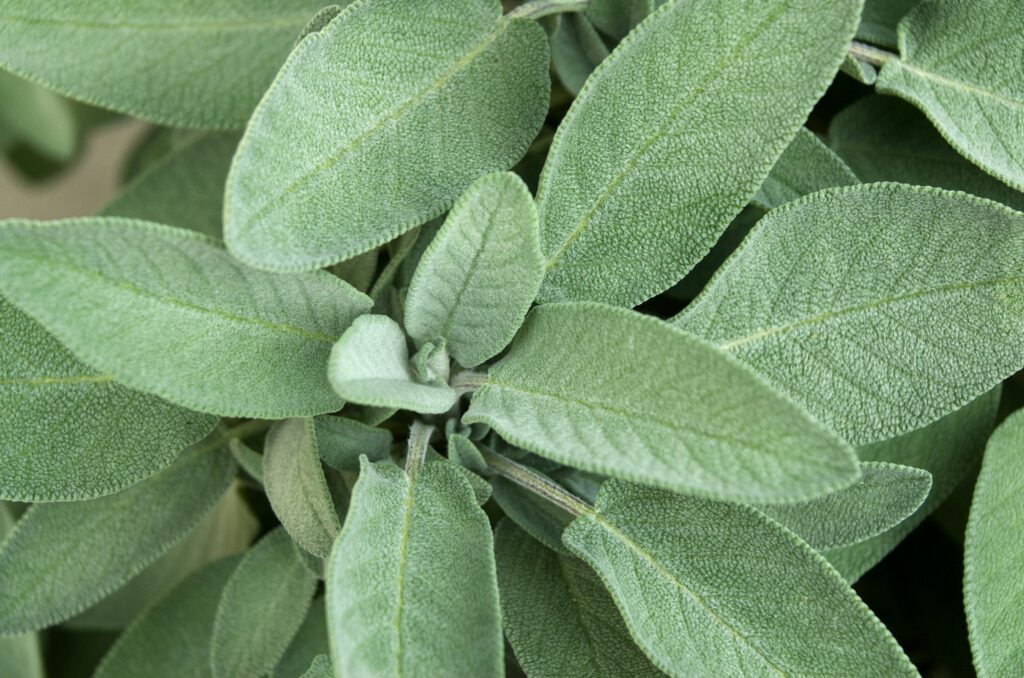
3. Sage — Mental Clarity & Reset
Sage offers a clean, herbal scent that helps create a sense of clarity. It is often used when the mind feels overwhelmed or overstimulated.
Studies exploring herbal aromas in aromatherapy suggest that certain plant-based scents may help reduce cognitive fatigue and support mental clarity. While research on sage specifically is still developing, its traditional use aligns with findings that fresh herbal notes can influence mood and focus.
This makes sage especially useful for workspaces and moments that require a mental reset.
Best for:
- mental overload
- stress from work
- resetting focus
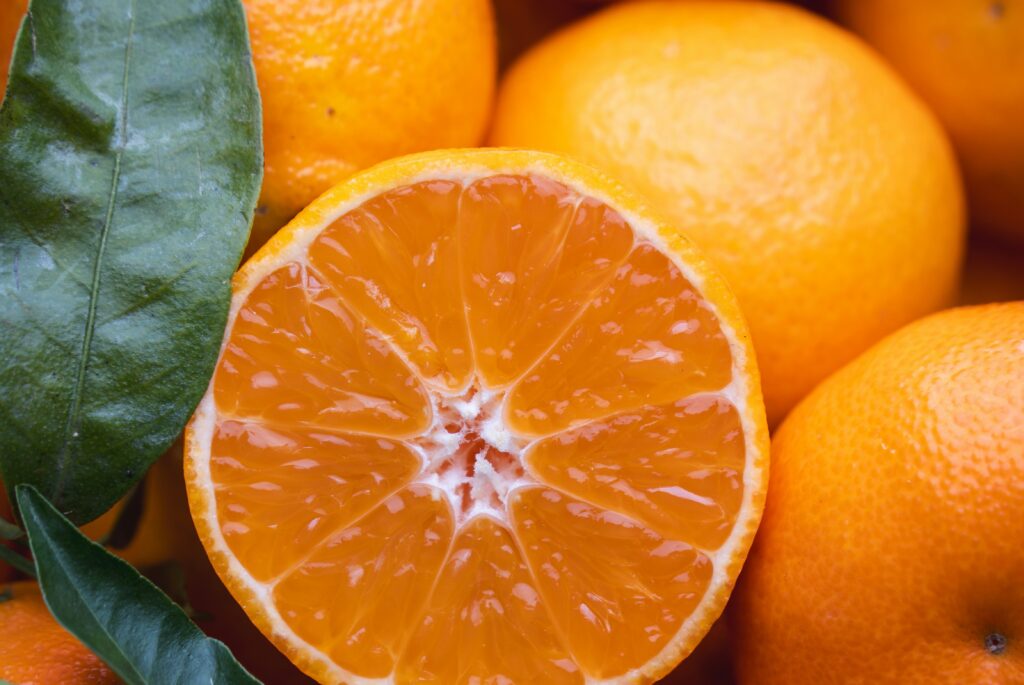
4. Citrus (Orange, Clementine) — Mood Lifting & Lightness
Citrus scents are bright, fresh, and uplifting. Unlike heavier calming scents, they help shift mood and bring lightness to stressful moments.
Research published in Evidence-Based Complementary and Alternative Medicine has found that citrus aromas—particularly sweet orange—may help reduce anxiety levels and improve mood by influencing the brain’s emotional processing.
Because of their energizing quality, citrus scents are often used during the day.
Best for:
- low-energy stress
- emotional fatigue
- daytime use
5. Chamomile — Gentle Calm & Soothing
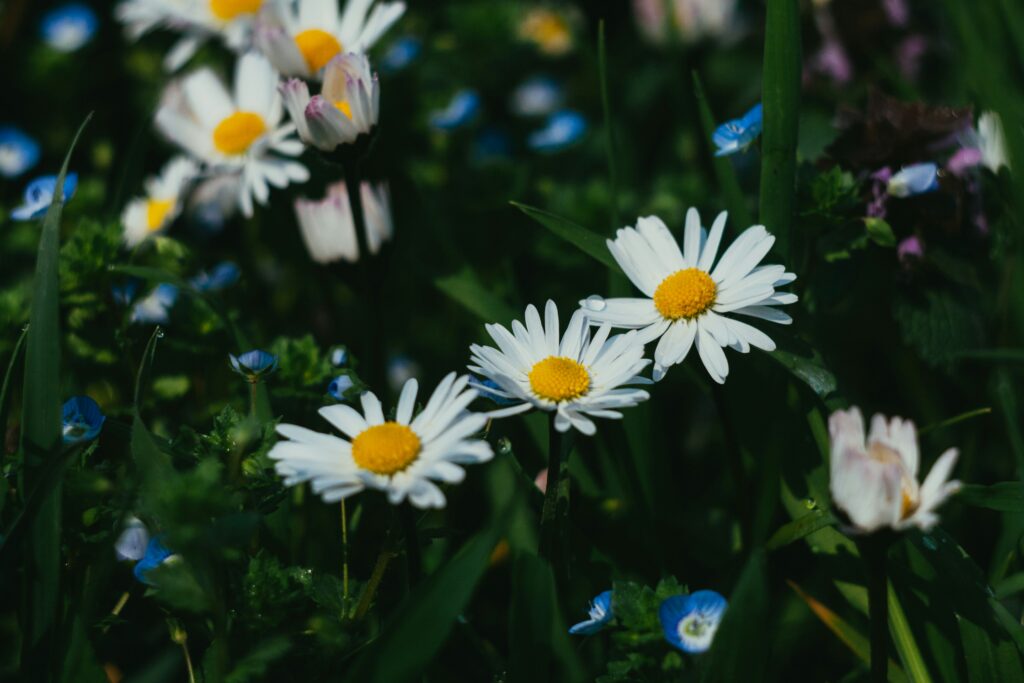
Chamomile has a soft, slightly sweet aroma that is often associated with comfort and relaxation. It is commonly used in nighttime routines.
Clinical and herbal medicine research suggests that chamomile may have calming properties that help reduce mild anxiety and support relaxation. Its gentle nature makes it especially suitable for winding down in the evening.
This makes chamomile a natural choice for creating a peaceful pre-sleep environment.
Best for:
- tension release
- calming nerves
- bedtime rituals
How to Choose the Right Scent for Your Needs
Not all stress feels the same.
Choosing the right scent depends on how you experience it.
- If stress feels heavy → choose sandalwood
- If stress feels overwhelming → choose sage
- If stress feels restless → choose lavender
- If stress feels dull → choose citrus
This is why many people use different scents at different times of day.
How to Use Aromatherapy at Home
Consistency matters more than intensity. Among different methods, reed diffusers are one of the most effective ways to maintain a calm scent environment. They provide:
- continuous fragrance
- no flame or supervision
- long-lasting diffusion
This makes them ideal for bedrooms, workspaces, and relaxation areas.
👉 Learn more about how to use a reed diffuser effectively and safely
To build a complete understanding of aromatherapy:
Creating a Calm Environment Through Scent
A well-chosen scent can soften the pace of the day, create moments of pause, and support a more grounded state of mind.
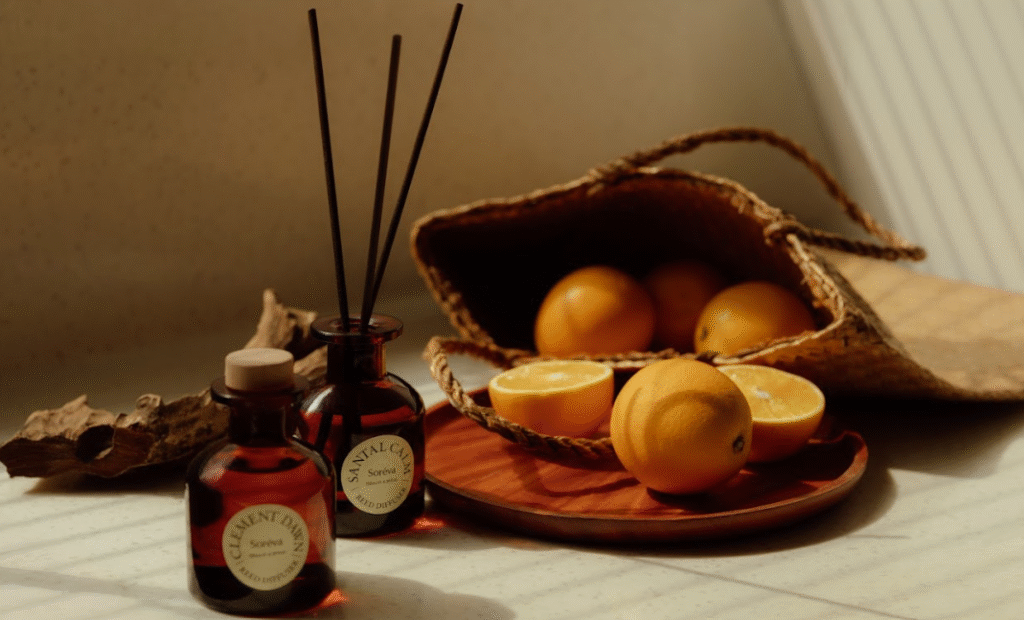
At Soréva, our alcohol-free reed diffusers are designed to bring gentle calm into everyday environments—through carefully crafted, plant-based fragrances.
Explore the collection and discover how scent can transform your space.
FAQ
What scent is best for anxiety and stress?
Lavender, sandalwood, sage, and citrus are among the most commonly used scents. Each supports relaxation in different ways depending on emotional state.
Does aromatherapy really work for stress?
Some studies suggest that aromatherapy may help reduce perceived stress and support relaxation. It is widely used as a complementary wellness practice.
What is the best way to use aromatherapy?
Reed diffusers are one of the easiest and most consistent methods, as they provide continuous scent without effort.